
The Abme System presents an innovative Blockchain technology to allowing both suppliers and purchasers to trace raw materials throughout the entirety of the production lifecycle, a feat hitherto unattainable.
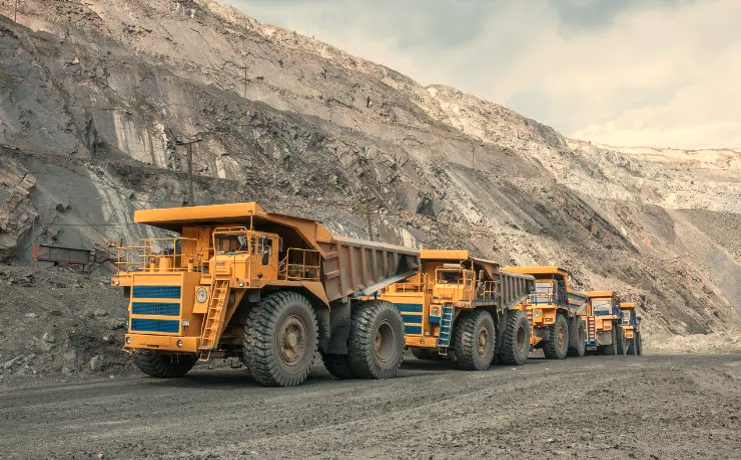
Materials such as cobalt, tantalum, and mica have historically been linked with significant socio-economic challenges, including but not limited to child labour, forced servitude, illicit appropriation of natural assets, environmental degradation, and blatant human rights violations. Regrettably, these issues, though pervasive, often remain obscured from the immediate purview of both consumers and producers.
From a manufacturing perspective, this predicament is far from peripheral. More often than not, manufacturers might not procure these materials directly. Instead, these materials find their way into final products, potentially introduced by Tier 3 or Tier 4 suppliers. Ensuring traceability mandates an extensive outreach upstream, accompanied by meticulous monitoring of material transitions through stages such as refinement, amalgamation, and the broader manufacturing process.

The Agricultural sector, a foundation of global sustenance, is at a crossroads in terms of its environmental impact. As we navigate towards a sustainable future, the emphasis on traceability within the agrarian supply chains becomes non-negotiable. This data not only ensures that products are sustainably sourced, but it also empowers stakeholders to optimize operations for minimized carbon footprints.
Furthermore, efficient management of agricultural waste and by-products is a cornerstone in our pursuit of net-zero emissions. By integrating advanced solutions akin to those in the construction sector, Abme provides agricultural stakeholders with essential insights into their supply chains, facilitating a shift towards a circular economy. This approach, complemented by a real-time inventory of resources, is instrumental in drastically reducing waste and ensuring a sustainable future for the sector. Immediate strategic interventions are vital for the betterment of our planet.
Abme’s methodologies have been effectively employed to ensure close loop recycling of polymers. Such traceability data substantiates that the recycling and disposal processes are executed with due diligence and responsibility.
It is imperative to recognize that waste is a strategic commodity. Minimizing waste production and enhancing procedures for its end-of-life management are quintessential components in the evolution towards a more cyclical economic model. Within this framework, waste minimization aligns with resource conservation, facilitating the reincorporation of these resources into the supply chain for the genesis of new products.
Moreover, it is noteworthy that a surge in recycling rates can potentially mitigate numerous challenges inherent to extractive industries. This is attributed to the decreased dependency on freshly extracted materials, thus promoting sustainability and reducing adverse impacts.
The supply chains associated with Construction & Infrastructure are exerting significant detrimental effects on our planet. It’s noteworthy that even during the unprecedented lockdown last year, which nearly paralyzed the global economy, we achieved a mere 7% reduction in carbon emissions — a target mandated annually by the Paris Agreement. This is testament to the alarming fact that sectors like Automotive, Construction, and Consumer Electronics collectively contribute to over half of the world’s emissions.
For materials such as green steel, where supply chain emissions surpass operational ones, traceability data becomes imperative. It equips our clientele with the validated assurance that their materials are authentically ‘green’ further enabling them to make informed decisions about minimizing carbon footprints throughout their supply chains.
Addressing the management of construction waste is pivotal to our ambition of achieving net-zero emissions. Abme’s state-of-the-art solutions furnish manufacturers with unparalleled transparency into their recycling supply chains, fostering an environment conducive for strategic planning towards a circular economy. Such an approach, fortified by a continuously updated digital building inventory, paves the way for significant waste reduction. Immediate attention and action in this sector are paramount.